
 Enquire
 Call us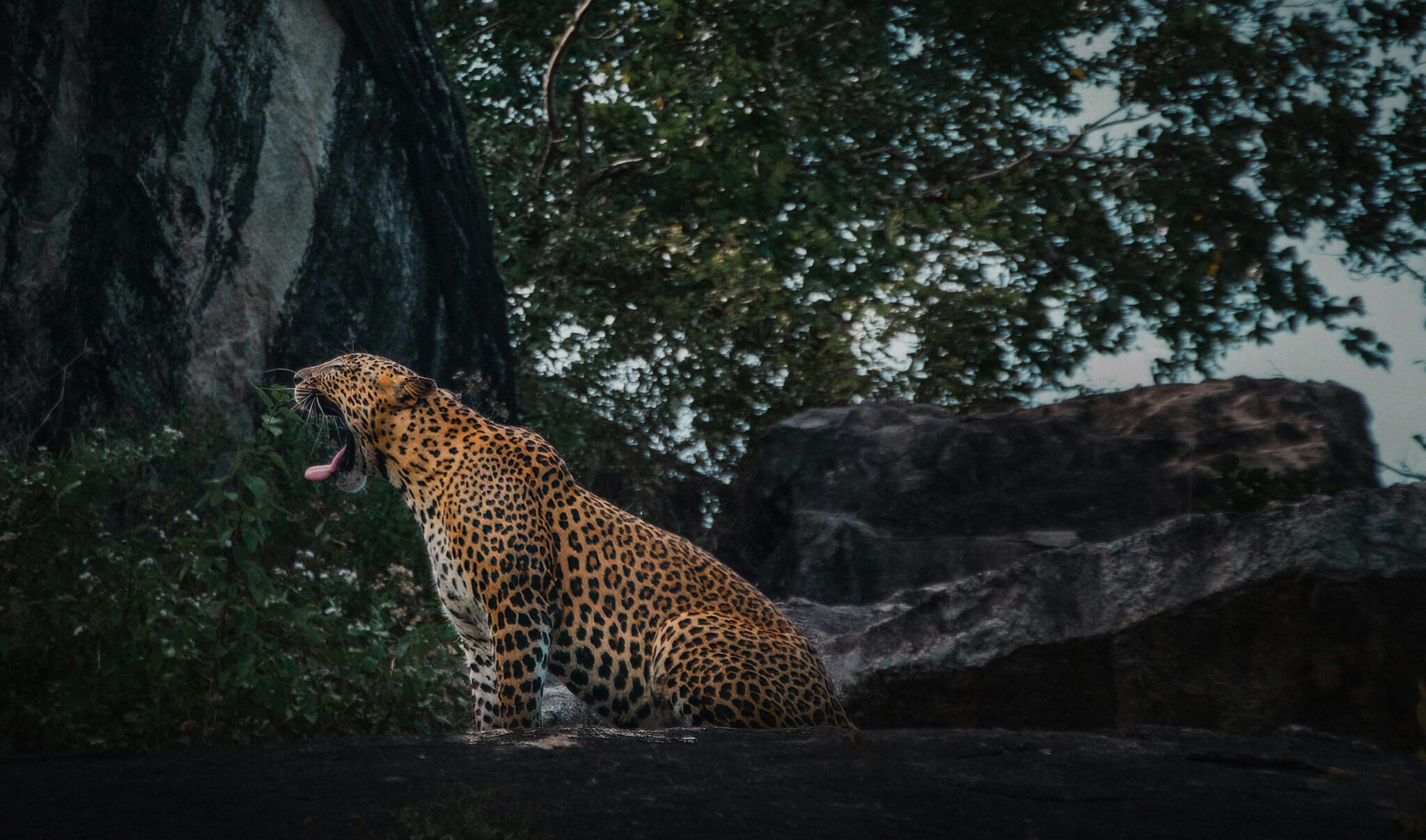
A Guide to the Wildlife of Sri Lanka
5th November 2025
Discover Sri Lanka’s Wild Side
Few destinations rival the wildlife of Sri Lanka for diversity and accessibility within such a compact area. From leopards and elephants roaming the dry-zone plains to blue whales gliding through the Indian Ocean, the island’s national parks and coastal waters promise unforgettable encounters year-round. Its varied habitats – rainforest, grassland, wetland, and coral-rich sea – support an extraordinary concentration of species, making a Sri Lanka wildlife holiday both rewarding and easy to experience.

Leopards of Yala and Wilpattu – Sri Lanka Leopard Safaris
The island’s apex predator, the Sri Lankan leopard, is one of the most sought-after sightings on any Sri Lanka wildlife tour. Yala National Park, on the island’s southeast coast, boasts the highest leopard density in the world. Early-morning drives reveal them resting on boulders or patrolling sandy tracks between waterholes. Although Yala can be busy, lesser-known blocks such as 3 and 5 offer quieter experiences with the same impressive wildlife.
Further north, Wilpattu National Park offers a wilder and more tranquil alternative. Its landscape of “willus” – natural lakes surrounded by forest – attracts fewer vehicles, making sightings even more rewarding.
When to visit: Both Yala and Wilpattu are at their best between May and September, when dry conditions draw leopards to open spaces and waterholes, improving your chances of sightings.
Suggested stays: Cinnamon Wild Yala, Jetwing Yala, Uga Chena Huts, Leopard Trails Wilpattu, and Uga Ulagalla.
The Great Elephant Gathering – Sri Lanka Elephant Safaris
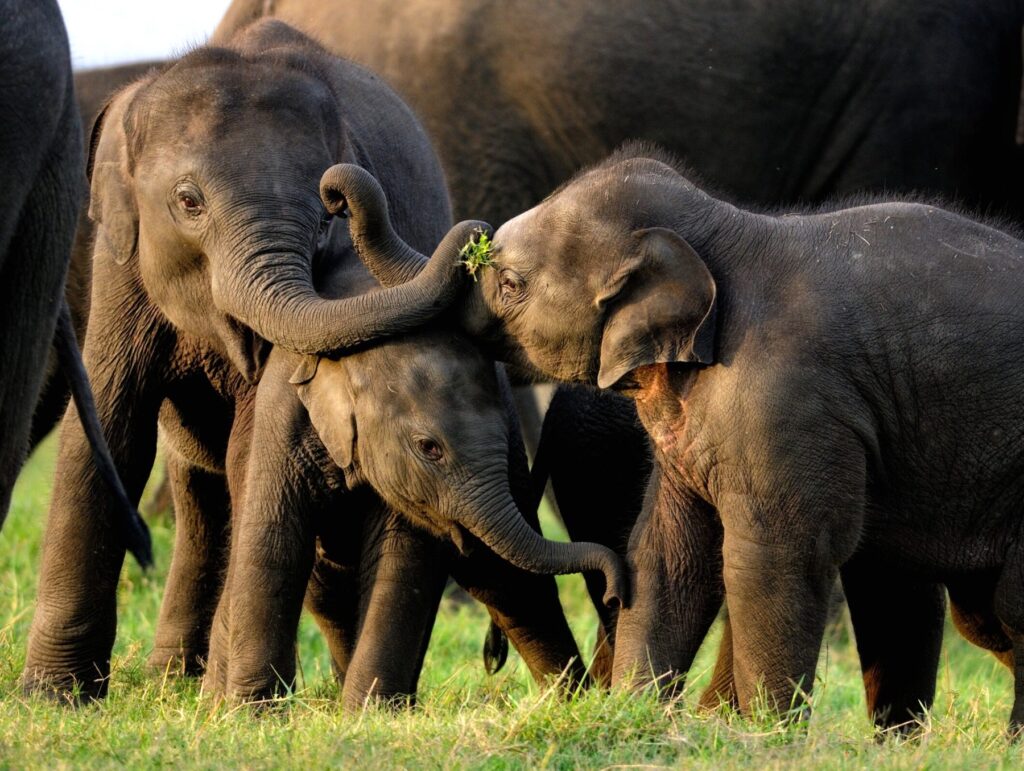
Sri Lanka’s elephants are a symbol of the island, and nowhere captures their majesty quite like The Gathering at Minneriya and Kaudulla National Parks. Each year between July and October, as the lakes shrink during the dry season, more than 300 elephants converge to drink, bathe, and socialise – one of the largest gatherings of Asian elephants in the world.
Families with young calves, adolescent males, and formidable matriarchs can all be seen together, creating a mesmerising spectacle that showcases the social life of these intelligent giants. Outside this season, Udawalawe National Park offers reliable elephant encounters year-round, with herds frequently seen against a dramatic backdrop of open plains and distant mountains.
When to visit: For The Gathering, visit Minneriya and Kaudulla between July and October. Udawalawe offers consistent sightings throughout the year, making it a must for a Sri Lanka elephant safari.
Suggested stays: Aliya Resort & Spa (Sigiriya), Uga Ulagalla (Anuradhapura), Jetwing Lake (Dambulla), and Grand Udawalawe Safari Resort.

Sloth Bears in the Dry Zone Forests
Elusive and often overlooked, the Sri Lankan sloth bear is one of the island’s rarest and most fascinating mammals. Shaggy-coated and fruit-loving, these bears emerge from the forest to feed on palu berries during May to July, especially in Yala and Wilpattu. Their comical, lumbering gait hides surprising agility, and a sighting of a mother with cubs climbing trees or foraging for fruit is an unforgettable experience.
Despite their shy nature, patient travellers often encounter sloth bears crossing dusty tracks in the early morning or late afternoon. Rangers listen for cracking branches or rhythmic grunts that give these bears away as they feed. Their black coats and long snouts make them easy to identify, and during the palu season, they’re more visible as they spend hours foraging in the open.
When to visit: The best time to see sloth bears in Sri Lanka is during the palu fruiting season (May to July), when bears are most active in the dry-zone forests.
Suggested stays: Leopard Trails Wilpattu, Uga Ulagalla, Cinnamon Wild Yala, and Uga Chena Huts.

Whale Watching in Sri Lanka – Blue Whales and Dolphins
Offshore, the waters surrounding the island are among the best in the world to see blue whales – the planet’s largest animal. From December to April, Mirissa on the south coast becomes a prime base for whale watching in Sri Lanka, often paired with sightings of sperm whales and spinner dolphins. On the east coast, Trincomalee offers another excellent season between May and August, when migrating whales follow plankton-rich waters north.
For those seeking quieter seas and sustainable practices, Kalpitiya on the northwest coast combines dolphin-watching with occasional sperm whale sightings. Always choose licensed operators who follow responsible whale-watching standards, maintaining safe distances and low speeds to protect the animals.
When to visit: For blue whales, head to Mirissa from December to April or Trincomalee between May and August. Kalpitiya offers dolphin sightings almost year-round.
Suggested stays: Cape Weligama, Anantara Peace Haven Tangalle, Trinco Blu by Cinnamon, Jungle Beach by Uga Escapes, and Dolphin Beach Kalpitiya.

More Wildlife Encounters – National Parks and Rainforest Treks
Beyond its headline species, Sri Lanka offers exceptional variety. Gal Oya National Park provides one of Asia’s few opportunities for boat safaris, where elephants can sometimes be seen swimming between islands in the Senanayake Samudra reservoir. The park’s still waters and surrounding forest create a peaceful backdrop for unique Sri Lanka wildlife tours.
In the highlands, Horton Plains National Park is home to sambar deer, endemic birds, and the dramatic drop at World’s End. The cooler climate and open grasslands make it a refreshing contrast to the dry-zone parks.
For birdwatchers, the Sinharaja Rainforest is a UNESCO World Heritage Site and a sanctuary for endemic species such as the Sri Lanka blue magpie and green-billed coucal. On the south coast, Bundala National Park adds another layer of diversity, attracting flamingos and migratory birds to its lagoons and salt pans. These parks together define the incredible range of Sri Lanka national parks wildlife experiences.
Suggested stays: Gal Oya Lodge, Jetwing St. Andrew’s Nuwara Eliya, Rainforest Eco Lodge Sinharaja, and Anantara Peace Haven Tangalle.
Responsible Safaris and Travel Tips
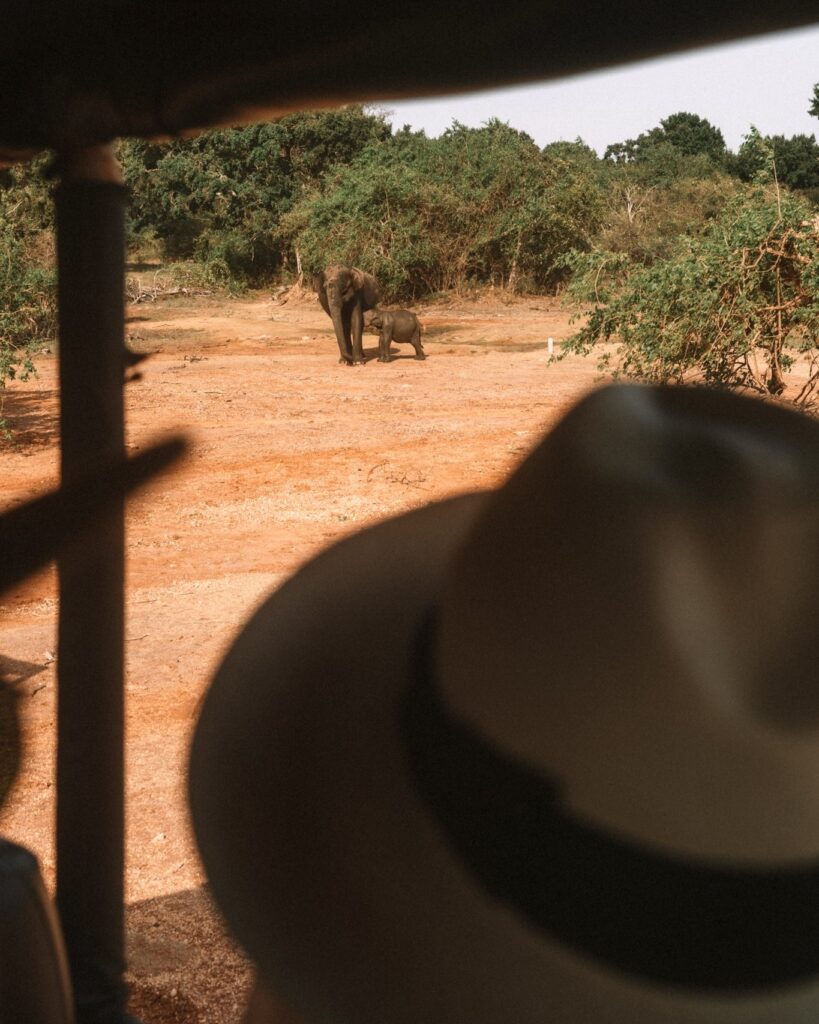
Sri Lanka’s wildlife thrives best when visitors travel with care. We only work with guides who respect park limits, keep safe distances, and follow ethical whale-watching standards. Early morning and late afternoon are the best times for sightings, when light is soft and animals are most active.
Wear lightweight, neutral clothing, a hat, and sunscreen, and carry binoculars and reusable water bottles. Avoid loud noises or feeding animals, and allow time for quiet observation – patience often brings the most rewarding moments.
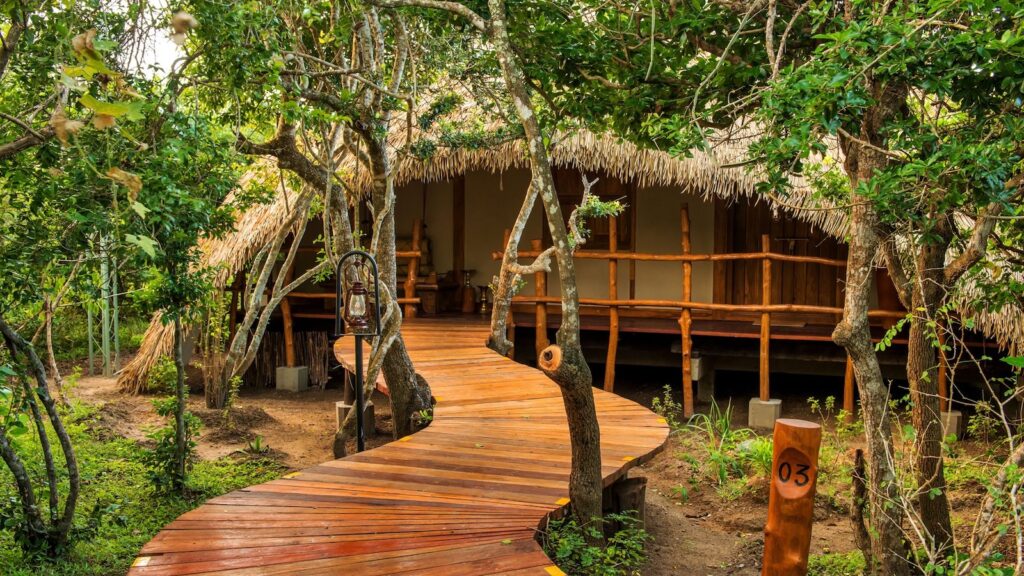
Swift Travel partners with conservation-minded lodges and guides, ensuring each tailor-made wildlife holiday in Sri Lanka contributes to protecting the island’s natural heritage.
Wildlife Tours in Sri Lanka with Swift Travel
Sri Lanka’s wildlife offers a rare combination of accessibility and abundance. Whether tracking leopards at dawn, drifting alongside elephants on a lake, or watching a blue whale breach against a tropical horizon, every experience reveals a different side of this remarkable island.
Swift Travel designs tailor-made Sri Lanka wildlife holidays that combine expert local knowledge, ethical travel, and seamless itineraries for truly unforgettable encounters.
Itinerary Inspiration
Browse some of our suggested itineraries below, but there is little we cannot do, so to start planning your bespoke trip get in touch.
Travel more, Travel better.
Call us now on 020 8502 8300 and one of our team would be happy to help start planning your personalised holiday itinerary.
Alternatively, click below to send us a message or request a call back.