
 Enquire
 Call us
Why a Green Season Safari Could Save You Money
29th September 2025
Big Experiences, Smaller Price Tag
When people picture an African safari, they often imagine the dry months: short grass, golden plains, clear skies and animals clustered around shrinking waterholes. It’s no surprise that June through October is labelled “high season” across much of sub-Saharan Africa – wildlife is easier to spot, the weather is more predictable, and lodges fill quickly.
But step outside that window and you’ll find a different story. The green season safari – those wetter months when the rains sweep through and landscapes renew – brings a host of rewards. Lower costs, quieter sightings, vibrant scenery and unique wildlife behaviour all combine to make this time of year not just accessible to travellers on a tighter budget, but in many ways more rewarding.
What the Green Season Really Means
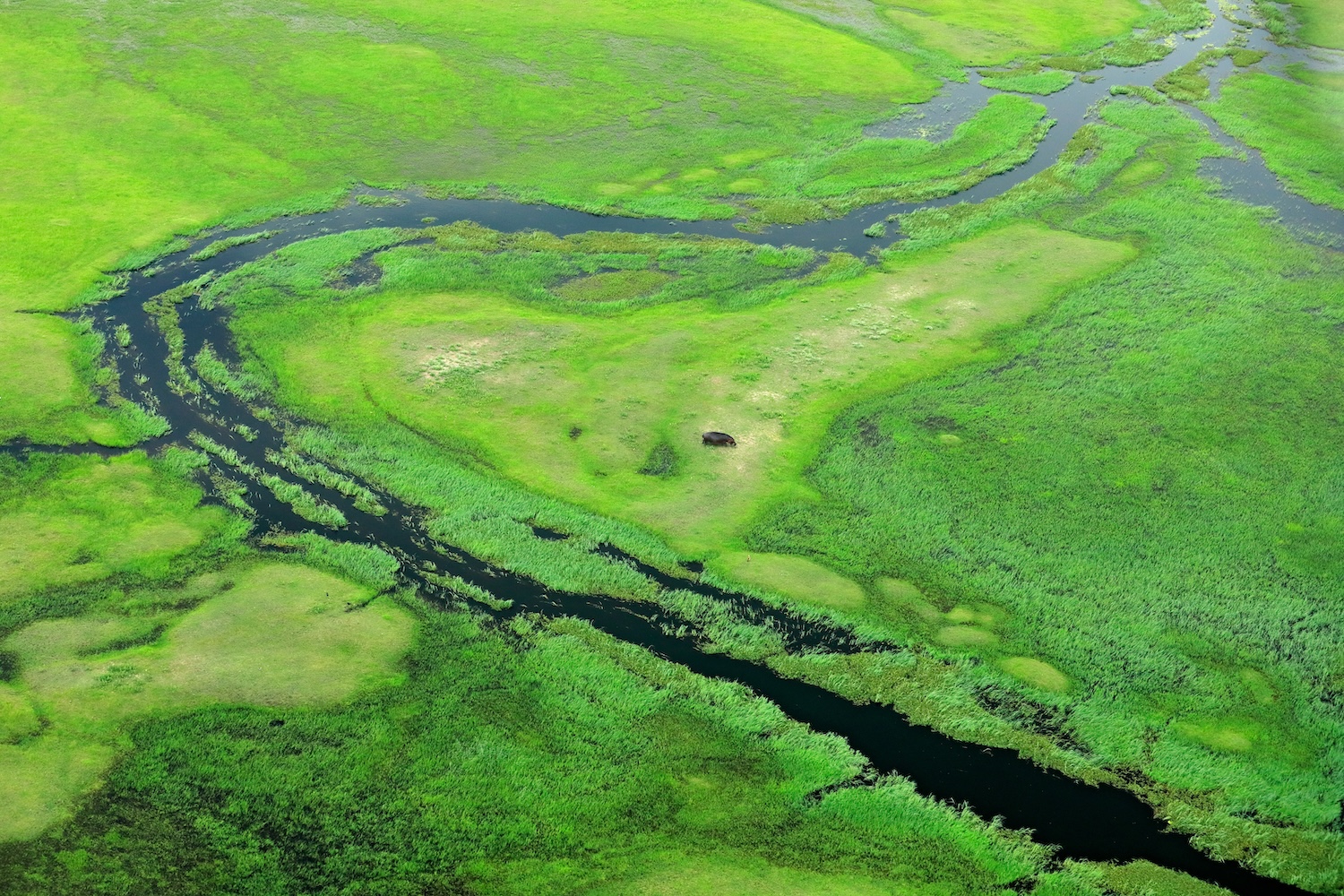
- East Africa (Kenya & Tanzania): The long rains usually arrive between March and May, with the shorter, lighter rains in October to December. These showers are often intense but brief, quickly giving way to sunshine. The result is a landscape transformed – plains turn emerald, wildflowers bloom, and lakes brim with water, attracting flamingos and other migratory birds.
- Southern Africa (South Africa, Mozambique, Botswana): Rain falls mainly from November through March, turning bushveld lush and activating rivers and wetlands. Afternoon thunderstorms clear the air, leaving behind crisp skies ideal for photography. This is when young antelope are born, migratory bird species return, and dramatic lightning storms paint the horizon.
For most safari camps and game reserves, the green season doesn’t mean constant rain or empty landscapes. Instead, it’s a cycle of renewal: grass grows tall, trees flower, rivers fill, and wildlife takes advantage of the abundance. The bush feels alive in a different way – fresh, colourful and full of movement – offering a contrast to the drier months when life gathers around the few remaining water sources.
Why It Costs Less
One of the most compelling reasons to book a green season safari is the cost savings.
- Lodge and camp rates drop significantly. Many properties offer lower nightly rates or “stay longer, pay less” packages during the wet season. Some include complimentary nights or extras to attract guests.
- Flights and transfers can be cheaper. With less demand, there is often better availability and lower pricing on both international and regional connections.
- More room choice and flexibility. With fewer visitors on safari, you’ll have a wider selection of camps and travel dates. Families especially benefit, as securing multiple rooms at peak season is often difficult.
For travellers who thought safari was out of reach financially, the green season safari offers a window when it becomes accessible.
Perks Beyond the Price Tag
- Peaceful, low-crowd safari drives. With fewer vehicles in the parks, encounters with lions, elephants or cheetahs feel far more intimate.
- Birding and migrant species. Migrant birds arrive in colourful plumage, making this the best time for keen birders.
- Stunning photography scenes. Fresh greenery, dramatic skies, and clear post-rain light create ideal backdrops.
- Abundant baby animals. Many species calve during or just after rains – spot wildebeest calves on the Serengeti plains or zebra foals in South Africa.
- A wilder feeling. Without peak season crowds, reserves feel untouched, quiet and immersive.

Country-by-Country: When Green Season Works Best
Kenya
- When: Short rains (Oct-Dec), long rains (Mar-May)
- Why Go: November is a sweet spot – green landscapes, baby animals, excellent birding and reduced rates. In wetter months, Amboseli and Tsavo West still deliver rewarding sightings.
- Trade-Offs: April can bring heavy downpours, muddy roads, and camp closures.
Tanzania
- When: Long rains (Mar-May), short rains (Nov-Dec)
- Why Go: The southern Serengeti and Ndutu plains host the great wildebeest calving between January and March – a dramatic wildlife spectacle during green season. Flamingo flocks gather, and birdlife thrives across parks.
- Trade-Offs: April and May are wetter; some remote camps may close and roads become challenging.

South Africa
- When: Rain falls November-March in Kruger and Lowveld
- Why Go: Afternoon thunderstorms are brief, leaving clear skies and refreshed bushveld. Migratory birds and butterflies flourish, newborn animals appear, and private reserve lodges drop rates. Combining this with a Cape Town stay (which is dry in summer) creates balance.
- Trade-Offs: The lush bush can make spotting big cats harder, and insects are active.
Mozambique
- When: Wet season December–March; April and November as shoulder months
- Why Go: April offers green landscapes and lower rates; November is strong for birdlife and quiet beaches. Combining a green season safari with a coastal stay can deliver variety.
- Trade-Offs: January-March carry higher cyclone risk.
Botswana
- When: Green season November–March (May is shoulder)
- Why Go: The Okavango Delta transforms; flooded vistas, prolific birdlife, dramatic skies, and reduced lodge rates make Botswana green season safari a compelling choice. Predator activity stays strong as herds disperse.
- Trade-Offs: Some roads flood, animals spread out, and mosquitoes are noticeable.

Tips for a Smooth Green Season Safari
- Pick resilient destinations. Areas like Amboseli, Ndutu, private reserves, or the Okavango maintain good access even in wet months.
- Mix safari + dry spots. Pair wetter parks with drier coastal or city escapes to balance weather.
- Use expert guides. Their tracking skills are critical when animals are dispersed and hidden.
- Build flexibility. Allow buffer days for delays, wildlife tracking takes longer in denser bush.
- Confirm lodge schedules. Some properties close temporarily in heavy rains – verify what’s open.
- Pack smart. Waterproof gear, quick-dry clothing, insect repellent, good boots all assist.
The Bottom Line
A green season safari is far from a fallback option – it’s a chance to see Africa in a lush, vibrant, and more affordable light. For travellers with dreams of safari who hesitated over cost, the green season is your opening. For those returning, it reveals new rhythms – calves taking their first steps, migrating birds overhead, and landscapes freshly painted by the rains.
If you’re considering Kenya, Tanzania, South Africa, Mozambique or Botswana, green season could be your best-kept secret in safari travel.
Cal +44 (0)20 8502 8300 to start planning your bespoke safari itinerary.
Hotel Inspiration
Explore our handpicked Disney honeymoon resort inspirations below. For something truly unique, speak to us and we’ll help craft your perfect stay.
Travel more, Travel better.
Experience Africa in a new light with a tailor-made green season safari. From wildebeest calving in the Serengeti to birding in Botswana, our experts design seamless itineraries that combine wildlife, landscapes and value. We take care of every detail so you can focus on the adventure.
Call us now on 020 8502 8300 and one of our expert team would be happy to help start planning your safari itinerary.