
 Enquire
 Call us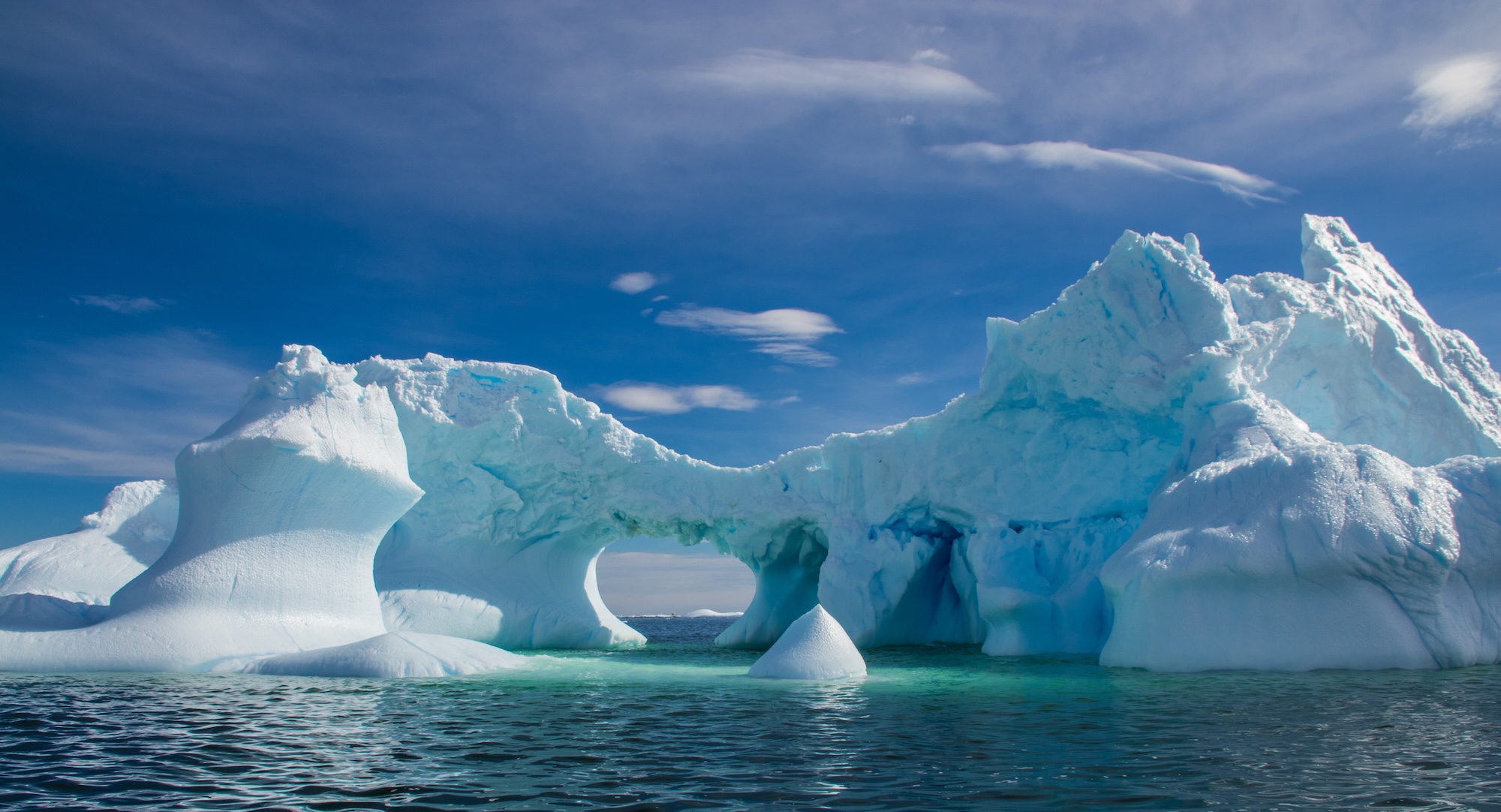
Discover the White Continent of Antarctica

Bespoke Antarctica Expeditions
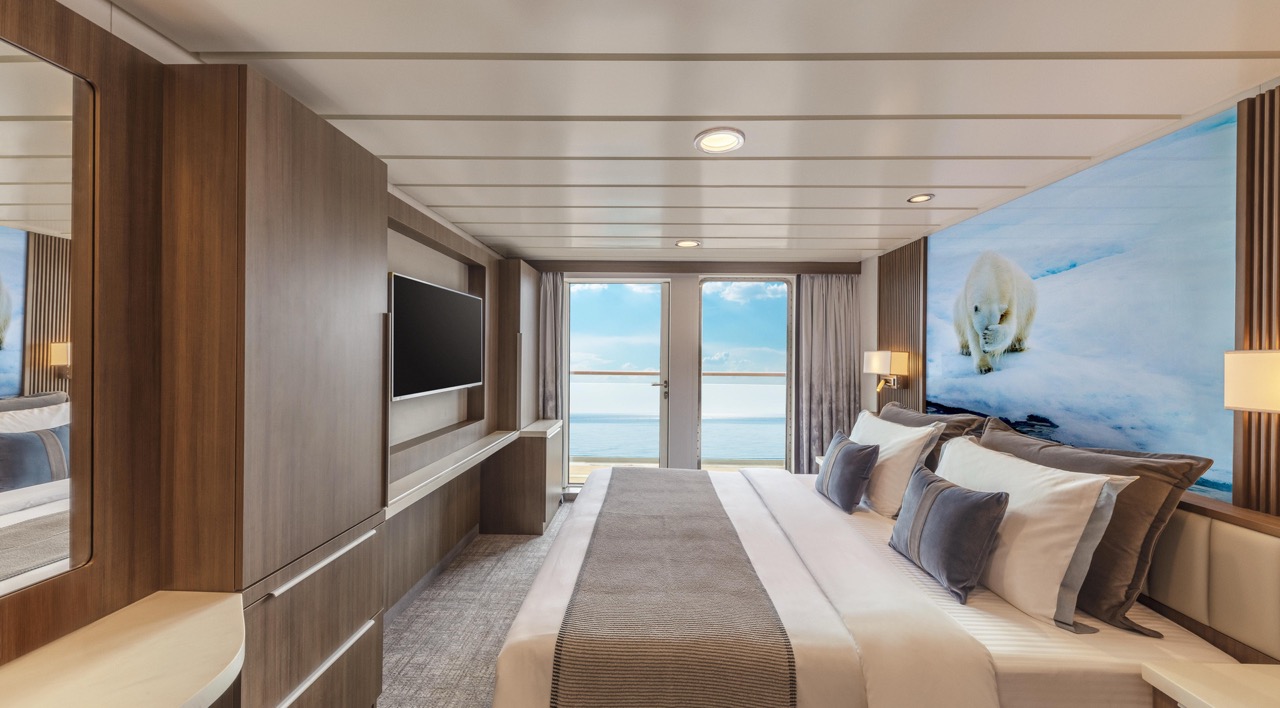
Antarctica is not a holiday – it’s an experience of extremes. A place of monumental silence, shifting ice, and otherworldly beauty that few ever reach. Our luxury Antarctica trips are designed for the truly intrepid, combining the comfort of modern small ships or eco-camps with the raw power of the world’s last untouched continent.
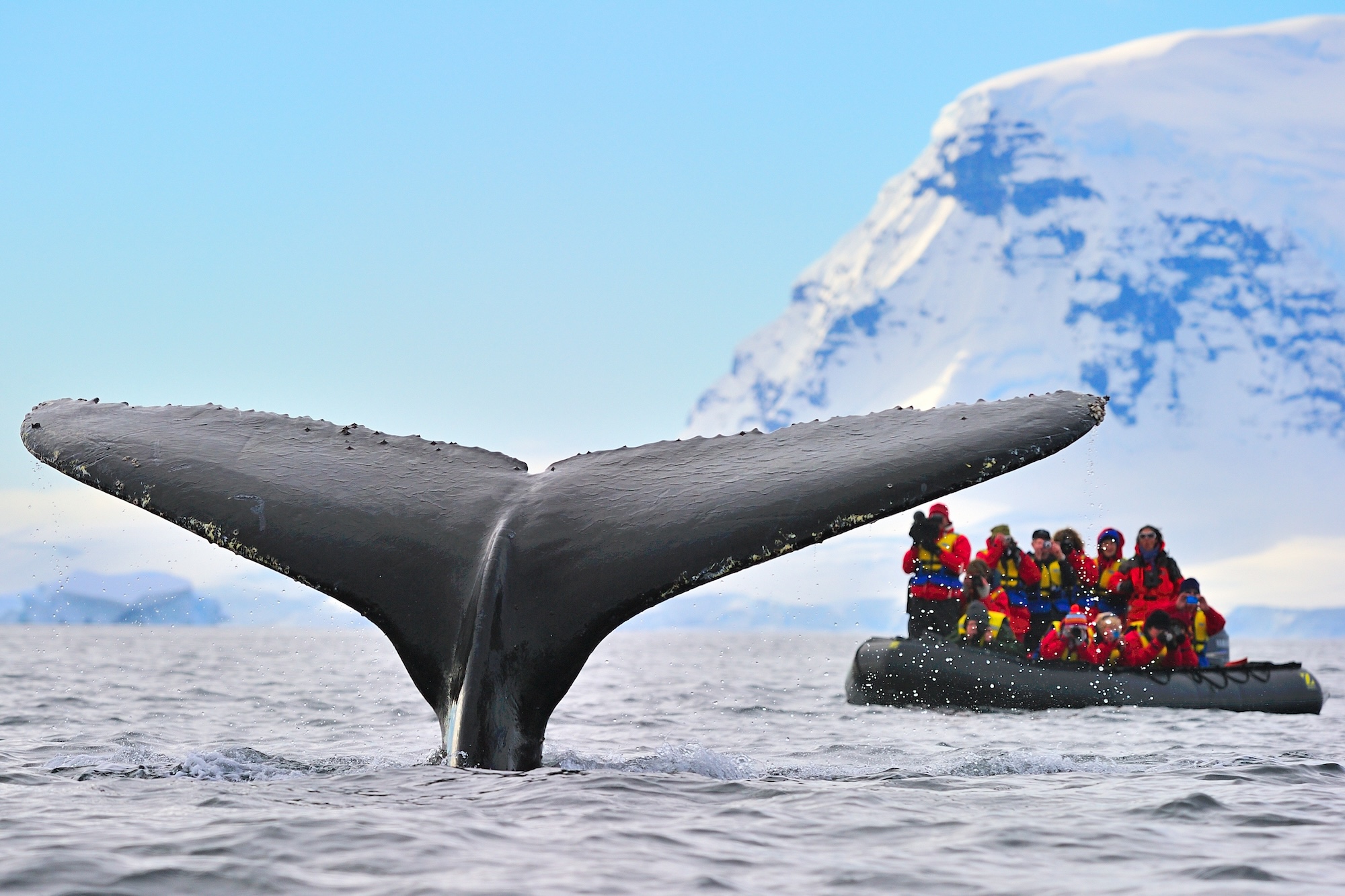
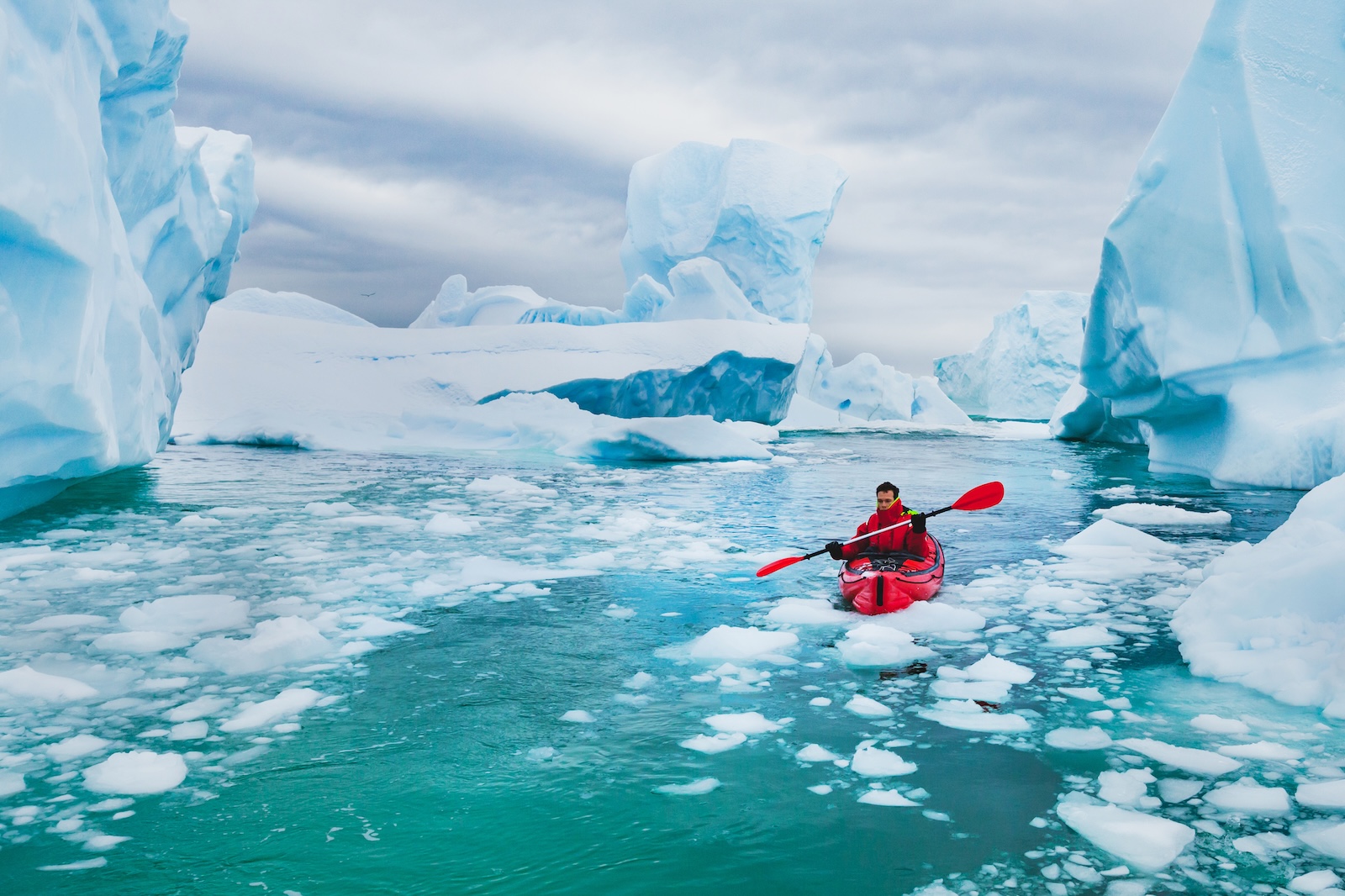
Fly over the Drake Passage and board a luxury Antarctica cruise with just 100 guests, where every Zodiac landing is a front-row seat to penguin colonies, blue-tinged icebergs, and breaching whales. Choose a fly-cruise to Antarctica to save time, or embark on an extended journey crossing the Antarctic Circle. Travellers seeking deeper immersion can kayak through iceberg-strewn waters, hike untouched ridges with expert guides, or even dive into polar snorkelling and submarine excursions on selected vessels.
For the pinnacle of exclusivity, we also arrange private Antarctica expeditions and luxury eco-camp stays like those with White Desert, flying by private jet into the heart of the interior to walk amongst Emperor penguins at Atka Bay or toast champagne at the South Pole itself.
With onboard scientific lectures, wildlife experts, and dedicated polar naturalists, every voyage offers insight as well as awe. Whether you’re joining a small-ship expedition, planning a family-friendly cruise, or seeking a bucket-list journey to the bottom of the world, our polar specialists will guide you through every decision – from selecting the right ship to securing expedition gear and permits.

best time to go
November to March

flight duration
14 hours +

fly to
Buenos Aires or Santiago then onwards

time difference
GMT +11 hours
Hotel Inspiration
Explore some of our hotel inspirations below. If you’re dreaming of something truly unique, get in touch and let us help craft your perfect stay.
Frequently asked questions
The Antarctic expedition season runs from November to March, when the region experiences its short summer. Early season (November–December) offers dramatic ice formations and the start of penguin courtship. Mid-season (January) is the warmest, with long daylight hours, chicks hatching, and more active wildlife. Late season (February–March) is ideal for whale sightings as humpbacks, minkes, and orcas feed before migration. Each part of the season offers a unique perspective, so the best time depends on your interests.
Expedition travel is active and requires a reasonable level of fitness and mobility. You’ll need to climb in and out of Zodiacs, walk on uneven terrain, sometimes in snow or icy conditions, and manage cold temperatures. Aurora Expeditions requires a medical form signed by your doctor to confirm your health suitability, and some voyages may require additional clearance for optional activities like kayaking or diving. Regular walking, balance exercises, and light aerobic activity before departure can help ensure you’re comfortable during excursions.
While no vaccinations are required specifically for Antarctica, you should check entry requirements for the countries you’ll transit – commonly Argentina or Chile. Some nationalities require visas for these gateways, so it’s important to confirm in advance. Your passport must be valid for at least six months beyond your return date, and travel insurance documents are compulsory. Consult your GP or travel clinic for recommended vaccinations for South America, such as hepatitis A or typhoid.
Yes – comprehensive travel insurance is mandatory. Policies must cover emergency medical evacuation from Antarctica (which can cost tens of thousands of pounds), as well as hospitalisation, repatriation, trip interruption or cancellation, and lost baggage. Because Antarctic travel is highly weather-dependent, cancellations or delays are not uncommon, so insurance gives peace of mind that you’re financially protected if schedules change.
Layering is the golden rule: a thermal base layer, insulating mid-layer (like fleece or down), and a waterproof/windproof outer shell. You’ll also need insulated waterproof trousers, sturdy waterproof boots, a warm hat, gloves (ideally two pairs), neck gaiters or balaclavas, and wool socks. Sunglasses with high UV protection and sunscreen are essential, as the sun reflects strongly off ice and snow. Expedition operators usually provide a waterproof jacket and sometimes boots, but check what’s included. A good camera with extra batteries, waterproof bags, and binoculars are highly recommended.
Small expedition ships typically host 100-130 guests, ensuring more personalised service and access to landing sites restricted to smaller groups. Life onboard balances comfort with exploration: spacious lounges, dining rooms, libraries, and wellness areas are complemented by daily briefings, wildlife lectures, and scientific talks from expert naturalists. Excursions are made in Zodiac boats, often twice daily, with itineraries shaped by weather and ice conditions. Meals are included, often with international menus, and evenings may feature photography workshops, stargazing, or simply enjoying the polar silence.
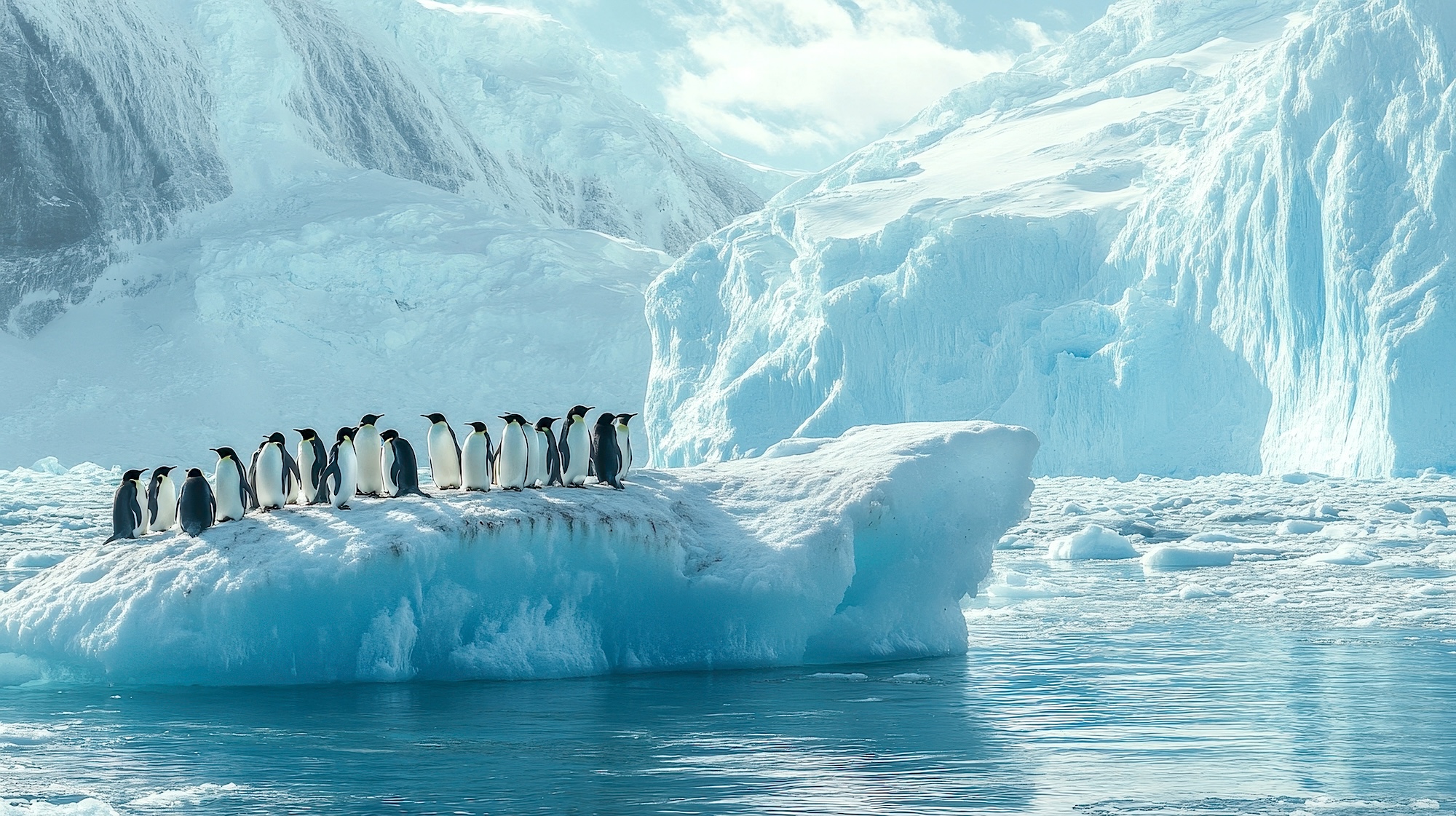
Antarctica is a paradise for wildlife enthusiasts. Expect to see vast penguin colonies – gentoo, chinstrap, Adélie, and, on select itineraries, the iconic emperor penguin. Several species of seals are common, including crabeater, Weddell, leopard, and fur seals. Whales are a highlight: humpbacks, orcas, minkes, and blue whales are often spotted, particularly in late summer. You’ll also encounter seabirds such as albatrosses, skuas, and petrels, many of which migrate thousands of miles each season.
Voyages vary between 9 and 34 days, depending on the route and experiences included. Classic itineraries focus on the Antarctic Peninsula (9–12 days), while extended voyages may visit South Georgia and the Falkland Islands (16–24 days). Longer expeditions of over 30 days may include East Antarctica or attempts to cross the Antarctic Circle. The choice depends on how much time you have and how deep an exploration you want.
Beyond Zodiac cruises and shore landings, many expeditions offer optional adventure activities. These can include sea kayaking among icebergs, polar snorkelling, scuba diving, camping on the ice, ski touring, and even climbing on selected itineraries. Wildlife photography workshops are common, as well as citizen science projects where guests assist researchers in collecting valuable climate and wildlife data. Each activity offers a different way to experience the polar environment, tailored to various comfort and fitness levels.
Yes. Our expedition aprtners are members of the International Association of Antarctica Tour Operators (IAATO), which enforces strict environmental and biosecurity protocols. Before each landing, you’ll clean boots and outer clothing to prevent introducing non-native species. You must maintain a respectful distance from wildlife, avoid touching or disturbing animals, and never leave rubbish behind. Some areas have limits on visitor numbers, and time ashore is carefully managed to protect fragile ecosystems. These rules ensure Antarctica remains pristine for future generations.
Children are welcome on certain voyages, though age restrictions may apply depending on the itinerary and activities. Some operators set a minimum age (often around 8–12 years), while others evaluate on a case-by-case basis. Families should be aware that conditions can be challenging – long days, cold weather, and strict rules for wildlife encounters. However, for adventurous families, it can be an educational and unforgettable experience, offering children a rare perspective on the natural world.
Most Antarctic voyages depart from Ushuaia, Argentina or Punta Arenas, Chile, with flights into Buenos Aires or Santiago connecting travellers to the southern ports. Some itineraries operate from Hobart, Australia, or Invercargill, New Zealand, for East Antarctic expeditions. Getting to the gateway cities typically involves long-haul international flights followed by a domestic leg. Depending on the voyage, you may also choose a fly-cruise option to skip the Drake Passage crossing and fly directly to King George Island in Antarctica before boarding your ship.
Antarctica Gallery


You Say It Best
An honest reflection of the Swift Travel service.
The World Is Waiting…
Call us now on 020 8502 8300 and one of our team would be happy to help. Alternatively, send us an email to info@swifttravel.com or complete the enquiry form and one of our team will get back to you.